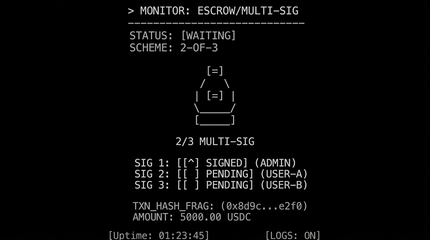
2/3 Multi-Sig Escrow
Transaction funds are locked in a 2-of-3 multi-signature contract. Neither buyer nor vendor can unilaterally release funds — a third-party arbitration key ensures fair dispute resolution.
CRYPTOGRAPHIC dmblackops.info
[ LOGIN ]
dmblackops.info
[ LOGIN ]
Independent research on one of the most security-hardened onion marketplaces. Explore OPSEC guides, Monero privacy, vendor data, and anti-phishing intelligence.
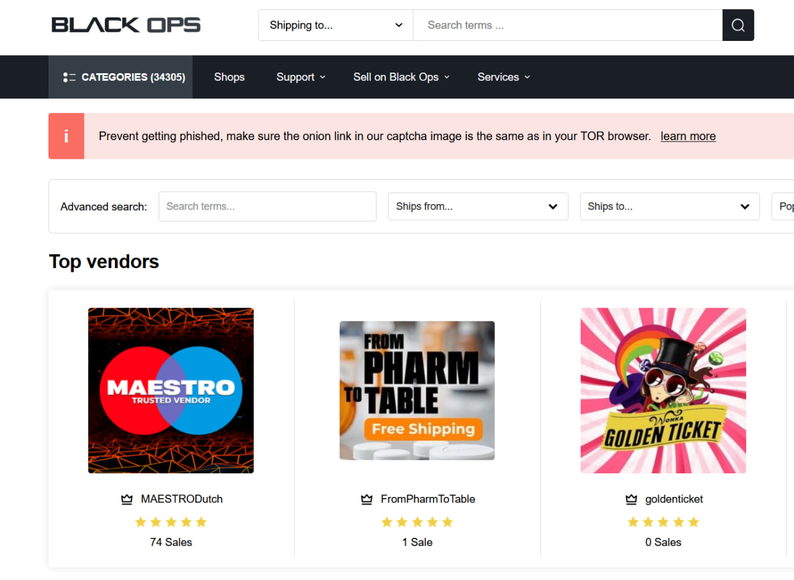
The BlackOps Darknet market is one of the most extensively documented Tor-based marketplaces in independent security research. Operating exclusively through a cryptographically authenticated V3 .onion address, it has become a notable subject in studies covering darknet economics, anonymous transaction systems, and operational security architecture.
First indexed in public research in mid-2025, the platform rapidly gained attention for its rejection of Bitcoin in favor of Monero (XMR), a decision that positioned it ahead of most contemporaries in terms of transaction privacy. Researchers have noted its use of ring signatures, stealth addresses, and RingCT — all Monero-native privacy technologies that render transaction graphs effectively unreadable.
The Blackops Market architecture includes several technically notable features: a 2-of-3 multi-signature escrow contract, a no-JavaScript front-end that dramatically reduces browser-side attack surface, and a mandatory PGP messaging layer for all buyer-vendor communications. Vendor bonds (a deposit held against misconduct) further reduce the risk of exit scams — historically the most common failure mode in darknet commerce.
From a security research perspective, the BlackOps Darknet platform demonstrates how privacy-by-design principles can be applied at the application layer. The combination of mandatory anonymization (Tor routing), untraceable payments (XMR), and encrypted communications (PGP) represents a robust threat model against passive and active surveillance alike.
Transaction funds are locked in a 2-of-3 multi-signature contract. Neither buyer nor vendor can unilaterally release funds — a third-party arbitration key ensures fair dispute resolution.
CRYPTOGRAPHIC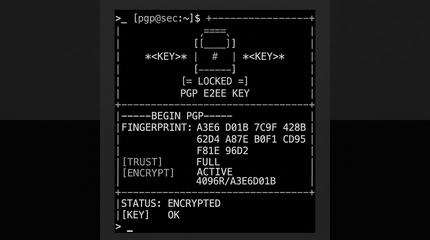
All buyer-vendor communications are PGP-encrypted end-to-end. The market enforces key upload at registration — plaintext messaging is architecturally impossible.
ENFORCED
Exclusive Monero support leverages ring signatures, stealth addresses, and RingCT. Every transaction is unlinkable and untraceable by design — unlike Bitcoin or Ethereum.
PRIVACY-FIRST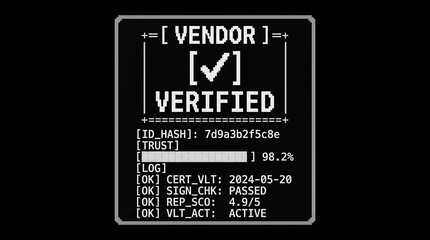
All vendors undergo a multi-step verification process including bond deposit, PGP identity proof, and a probationary listing period. Ratings and dispute history are publicly visible.
TRUST LAYER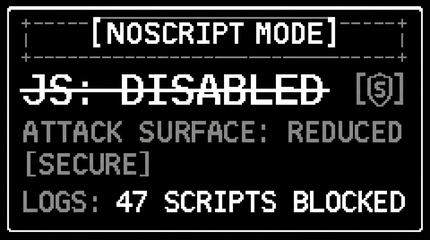
The entire platform functions without JavaScript, eliminating browser-side script attacks, fingerprinting vectors, and WebRTC leaks. Compatible with the most restrictive Tor Browser security settings.
ZERO-JS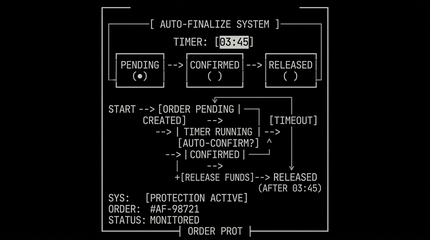
Orders that are not disputed within the configurable window trigger automatic escrow release. Dispute deadlines are enforced at the protocol level, not by vendor request.
BUYER SAFETYDarknet markets have driven significant evolution in cryptocurrency privacy technology. Early markets used Bitcoin — a transparent, pseudonymous ledger — until chain-analysis firms demonstrated that most Bitcoin transactions could be traced back to identities with 80–90% accuracy. This prompted a shift toward purpose-built privacy coins.
The Blackops Market made an early decision to accept only Monero (XMR), citing technical superiority over other privacy coins including Zcash and Dash. Monero's protocol enforces privacy for all transactions by default — there is no opt-in privacy mode, meaning every transaction on the chain carries the same anonymity guarantees.
| Coin | Privacy | Default |
|---|---|---|
| XMR | HIGH | YES |
| ZEC | MED | NO |
| DASH | LOW | NO |
| BTC | NONE | — |
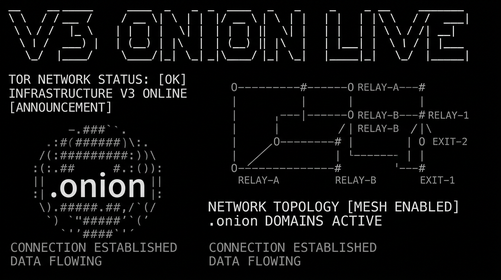
The transition to V3 .onion addresses completes a major infrastructure overhaul. V3 onion addresses provide 56-character identifiers derived from Ed25519 keys, offering significantly stronger protection against enumeration attacks compared to legacy V2 addresses.
[ READ MORE ]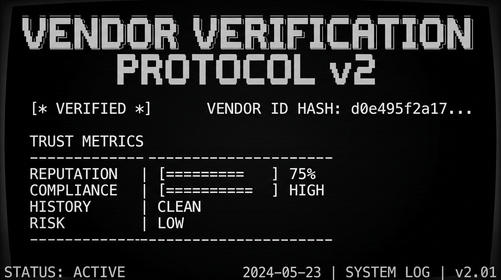
The updated vendor verification system introduces mandatory identity proofs via PGP-signed messages, bond escrow requirements, and an automated trust-scoring algorithm based on transaction history and dispute rates.
[ READ MORE ]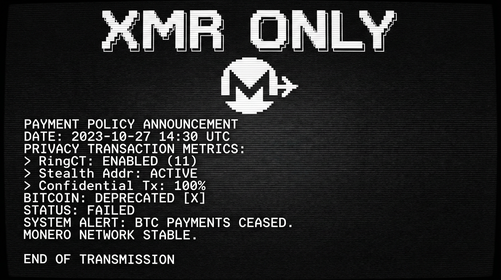
A detailed technical analysis explains the decision to drop Bitcoin support. Chain-analysis vulnerability, UTXO tracing, and clustering attacks made BTC fundamentally incompatible with the privacy standards required by the platform.
[ READ MORE ]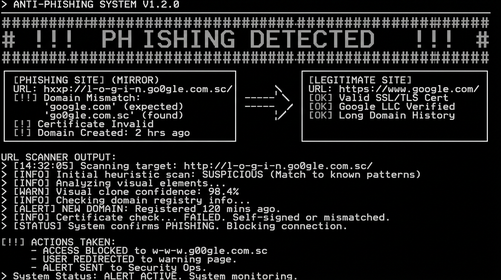
An automated scanning system now monitors clearnet forums for fake onion addresses and phishing mirrors. Users are strongly advised to verify all URLs against PGP-signed announcements before connecting.
[ READ MORE ]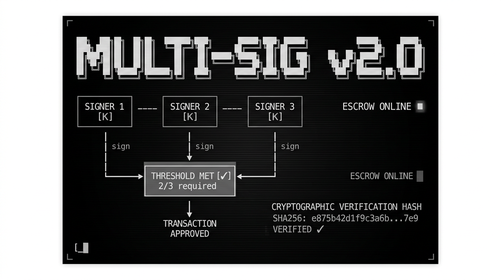
Version 2.0 of the escrow system introduces tiered dispute escalation, reduced arbitration windows, and cryptographic verification of all finalization events on the Monero blockchain.
[ READ MORE ]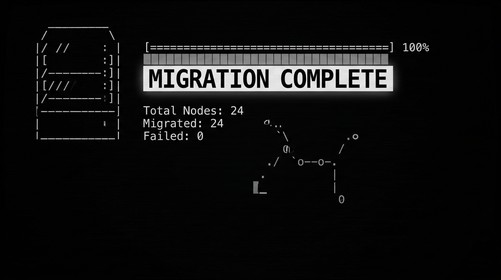
A zero-downtime server migration was completed across all 124 network nodes. The new infrastructure uses hardened Debian hosts with full-disk encryption, providing enhanced resistance to physical seizure.
[ READ MORE ]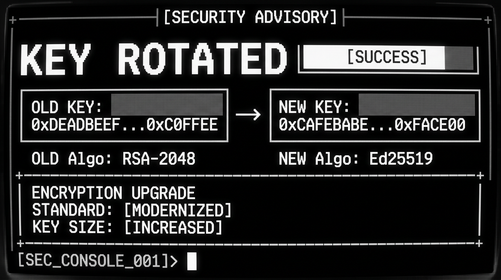
The platform has migrated from RSA-2048 to Ed25519 keys for all administrative and vendor PGP communications. The smaller key size and superior security properties of Ed25519 improve both performance and resistance to quantum attacks.
[ READ MORE ]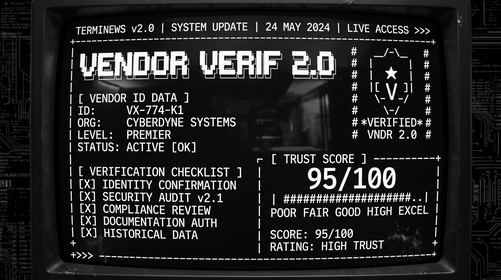
Third-quarter metrics show sustained growth across all key indicators. Vendor count increased 23% quarter-on-quarter; the dispute resolution rate remained below 0.3%; and average delivery times improved by 18% due to stealth shipping protocol upgrades.
[ READ MORE ]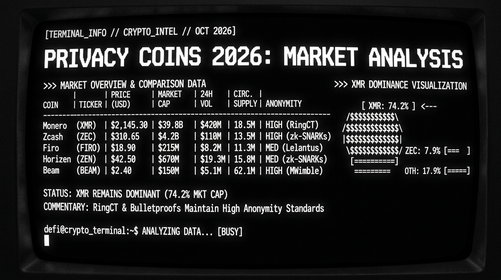
A detailed operational security guide covering Tails OS, Whonix, Tor Browser configuration, VPN ordering, PGP setup, and behavioral anonymity was published for educational purposes. The guide addresses the most common deanonymization mistakes.
[ READ MORE ]If you or someone you know uses substances, harm reduction resources are available. Never use alone. Always test substances with a reagent kit. Start with a very low dose ("start low, go slow"). Avoid mixing substances, especially depressants with other depressants (opioids, benzodiazepines, alcohol).
In an overdose emergency: call emergency services immediately. For opioid overdose, naloxone (Narcan) is effective if administered promptly. Stay with the person until help arrives.
⚠ WARNING: Phishing is the leading cause of account compromise in darknet markets. Fraudulent sites mimic the appearance of legitimate platforms to steal login credentials and intercept payments to attacker-controlled wallets.
Any engagement with the BlackOps Darknet platform — or any Tor-based service — requires careful attention to operational security (OPSEC). The vast majority of real-world darknet arrests have resulted not from cryptographic failures but from behavioral mistakes: reusing usernames, cross-posting on clearnet, inadequate anonymization, or poor key management.
Law enforcement agencies globally employ traffic correlation, forum scraping, undercover vendors, and metadata analysis. Your anonymity is only as strong as your weakest behavioral link — not your encryption. Read the full OPSEC guide →
The BlackOps Darknet market is a Tor-based marketplace documented in open-source research. It operates exclusively via a V3 .onion address and accepts only Monero (XMR) as payment.
The verified Blackops URL is listed on our /verified_links page. Always cross-reference the PGP-signed address before connecting. Never trust links from clearnet forums.
The Blackops Market accepts Monero (XMR) only. Bitcoin and other traceable coins are explicitly not supported due to privacy and traceability concerns.
Accessing the Blackops Onion address requires the Tor Browser and proper OPSEC. Always verify the V3 onion address against the PGP-signed official announcement.
Use Tails OS or Whonix, the official Tor Browser, disable JavaScript, never reuse usernames, and always verify PGP signatures. See our dedicated OPSEC guide for full details.
Yes. The platform employs a 2-of-3 multi-signature escrow system, meaning neither the buyer nor vendor can access funds unilaterally. A dispute system is also available.
Research on the BlackOps Darknet ecosystem continues to evolve. This resource is updated regularly as new open-source information becomes available. For the latest operational data, check the market intelligence feed or the verified links page.